

Every Seat at the Table — Part 1: The PhD Student
I have sat at every seat of the performance table throughout my 13 years in elite sport: PhD student and lab technician, sport scientist, coach, head coach, head of performance — as well as consultant and advisor NED roles at board level.
Over the next few weeks, I'll share my experiences at each of those positions, to give a better insight into what each role actually involves and how it's viewed in the sporting ecosystem. Starting with being a PhD student.
For context: I'd had no formal education in sports science or coaching. My BSc and MSc were in life sciences. I applied for a lot of PhDs, mainly in cancer therapeutics, and also for many in my passion — sports performance. I didn't get a single interview, with one exception.
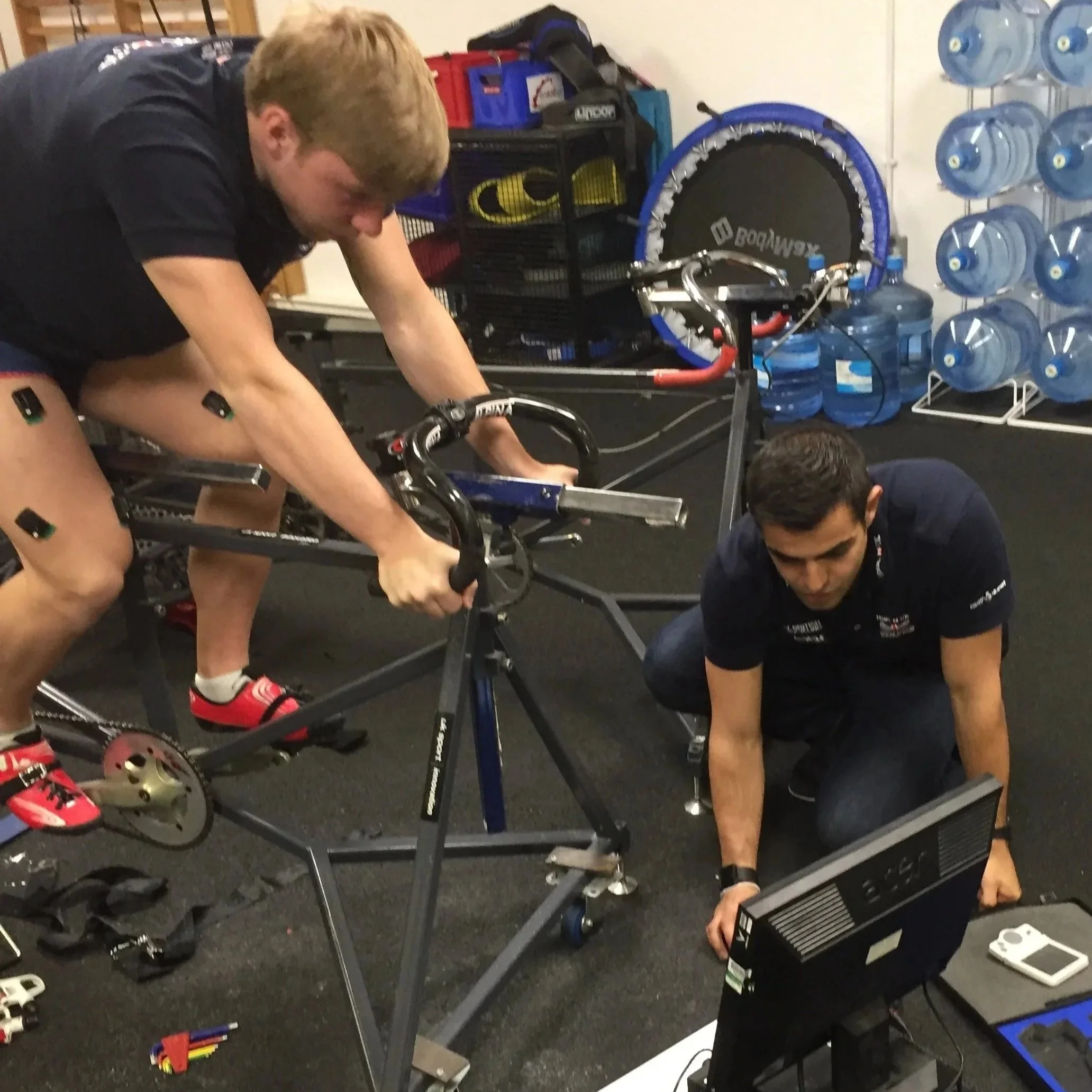
That one was based at the National Cycling Centre, the home of British Cycling in Manchester. A collaboration between the EIS (now UKSI) and Northumbria University, but based in Manchester. I believe over 100 people applied. After a day of interviews, I was offered the position.
The research was on the physiological determinants of max force and power in elite sprint cycling — the training science behind what actually improves human performance in sprinting.
I arrived at my PhD thinking I'd change the world and be totally embraced by coaches, riders, and "the system" — whatever that meant. I imagined serial Olympians queuing round the corner outside an imaginary lab with frosted-glass sliding doors, desperate and willing to help.
The reality was nothing like that.
My research was invasive. It needed interventions, not just observation. In one study, I ended up electrocuting people in the name of science. All of it required time, compliance, and physiological data collection.
Here was the actual reality: at first, coaches, staff, and athletes didn't care about my research questions. They cared whether it would help the athletes go faster in the here and now. That was a shock. Why would they change anything to give me access to these athletes?
I had to think outside the box. I wasn't going to get access to the elite riders in the early stages. I'd be lying if I said I didn't feel sorry for myself.
The clock was ticking and I needed subjects. So rather than hoping for access, I made super short Strava segments near the velodrome. Anyone who took the KOM (fastest time), I'd Google — looking for an email or social media account I could contact. They had to be local, and they had to be fast. Perfect for the initial studies.
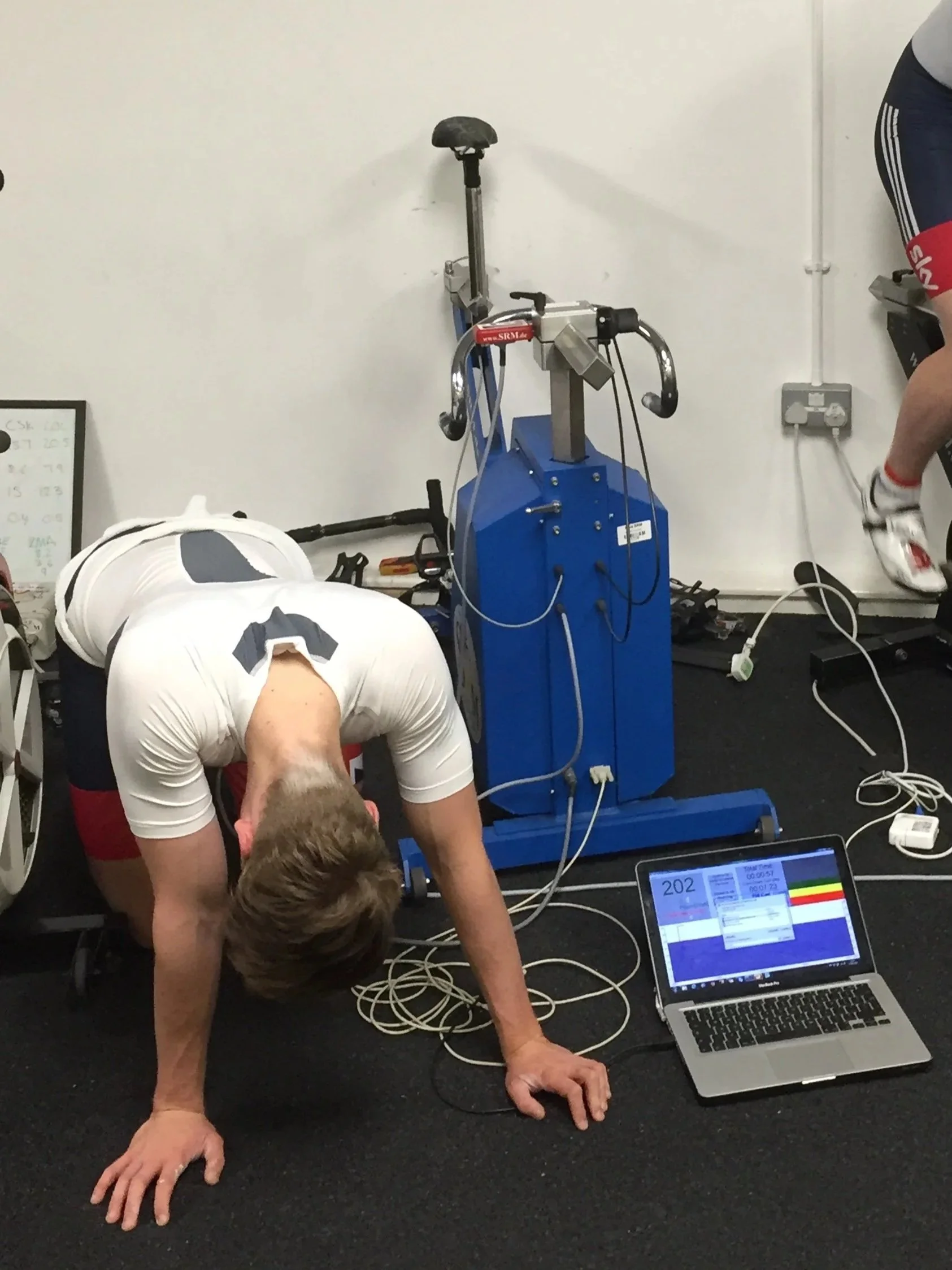
But I still needed the elite athletes. I was somewhat proven by then. I'd shown I could collect good data, and some of my ideas had legs. The way I finally got access?
It came from one day when I was sitting where the coaches and staff sat. It was meant to be hot-desking. All the desks were taken except one — covered in pictures of a coach's children, drawings they'd done, school timetables. I was glancing at them when the coach walked over and asked me to move; I was sitting at "their" desk.
I don't know why, but I answered back with: "How old are your kids?"
They told me. Then said they didn't spend enough time with them.
Immediately, I saw my "in."
"I see the school holidays are scheduled for next month. How about you take three days off — I'll look after the riders, and it'll be a good excuse to have them in my PhD study."
They agreed on the spot.
From then on, that's what I sought to do. Find out what made the coach tick. Sell to that. Whether it was their interest in the subject, time away with their partner, or whatever — I pitched to them.
That's when everything changed.
That became the way I went about things. Finding the right angle to approach and "sell" my idea.
Sometimes it was looking at a race schedule and persuading the coach that a particular block was the least important for performance — that taking four weeks off instead of three would actually serve them, and conveniently give me a window for data collection.
Sometimes it was knowing a coach was expecting a baby soon, and proposing we schedule the data collection just before the birth so I could get to know their their riders while they were away should I need to cover anything.
I didn't care what the angle was. As long as they got something genuine out of it, I was willing to do more than my call of duty to get what I needed.
It wasn't manipulation. It was agreement. Their interests and mine, pointed in the same direction. Once you find that, everything moves.
Ultimately, I'm not sure it was the quality of my data collection or my outcomes that got me access to the elite riders.
I'm convinced it was simpler than that. I was trusted to do the main thing: not mess it up. To deliver what they wanted. And if I got what I needed along the way, so be it.
In the end, I think I just became someone they could throw something to when they wanted to pursue something of their own.
That, more than any data set, was the real win.
- Mehdi
