

What It Takes to Win? Part 3 of 3 — If Not WITTW, Then What?
In the first two articles I argued two things.
First, we don’t actually know what it takes to win — reasonable models can produce very different predictions.
Second, even if we choose a target, breaking it down into power and KPIs quickly becomes estimates built on estimates.
So if WITTW is flawed, what should we do instead?
Start with reality, not prediction
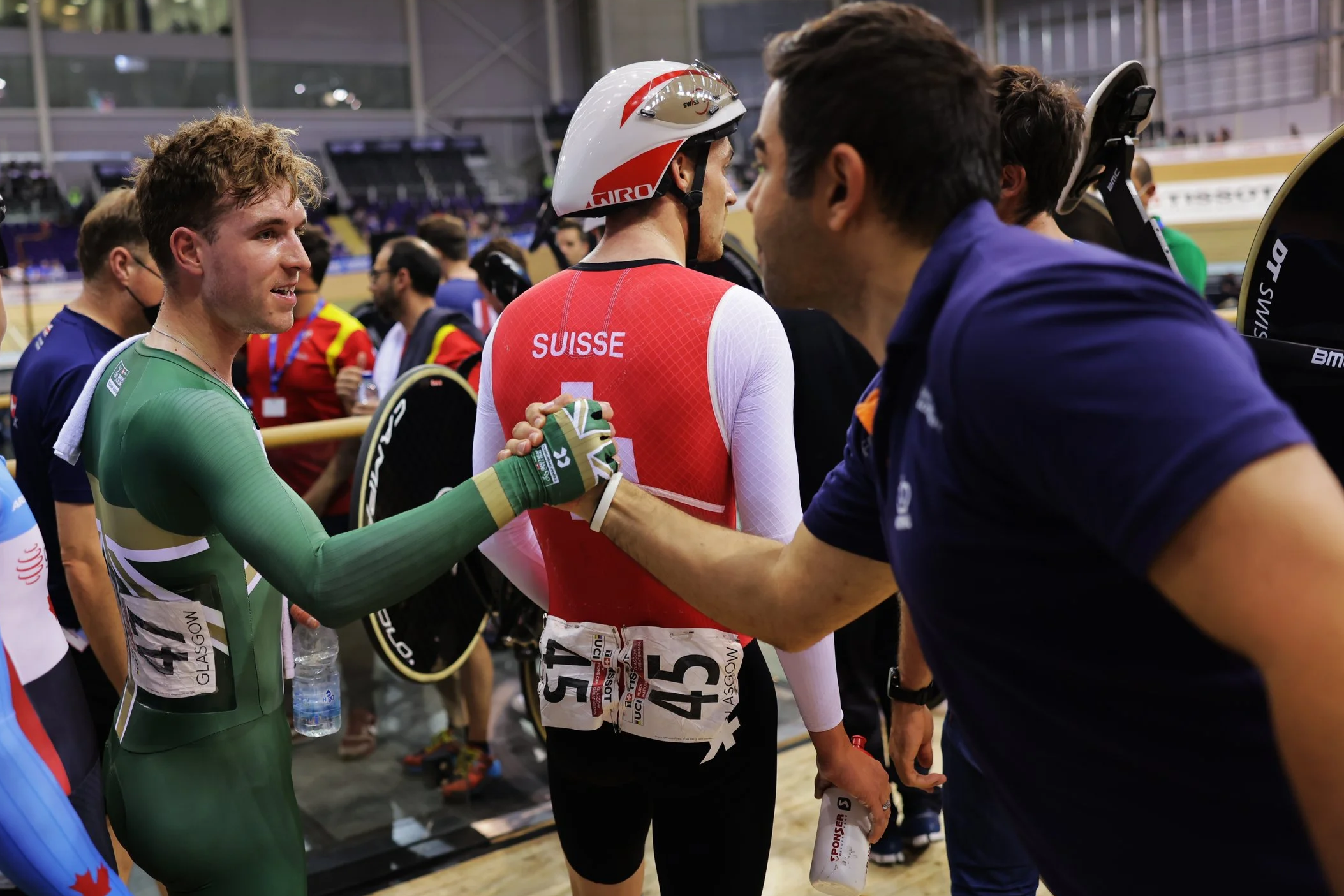
When I coached Team KGF / Huub-Wattbike, we needed to win a World Cup to secure sponsorship.
Looking at recent results, 3:57.0 would typically win — so we used it as a benchmark.
Not a target. Not judgement. A reference point grounded in reality.
We weren’t predicting the future — we were anchoring to the present.
That distinction matters. One is speculative. The other is actionable.
2. Track trends, not targets
Instead of asking:
“Are we hitting the number?”
Ask:
Are we improving (session to session, or via rolling averages)?
Is the rate of improvement appropriate?
Are we closing the gap to competitors?
This shifts the focus from a fixed outcome to direction of travel.
Because performance doesn’t arrive on a straight line — it moves, stalls, jumps and sometimes surprises.
3. Use short-term relative ranking
Sport is decided by relative performance.
So instead of asking:
“What will win in four years?”
Ask:
“Where do we rank now — and how quickly is that changing?”
Are we trending toward top 1 / 3 / 5?
How often are we competitive at that level?
Is that frequency increasing?
You don’t need to hit a number — you need to beat someone.
4. Be selective: improve, keep, ignore
WITTW often becomes overly complex — everything measured, everything a KPI.
A better approach is strategic simplicity:
What must improve?
What should we keep?
What doesn’t matter enough to measure?
Not everything measurable matters.
Not everything that matters is measurable.
Clarity beats completeness.
5. Prepare, don’t try to control
In some environments, prediction doesn’t just become difficult — it becomes meaningless.
Take Paris–Roubaix.
The winning moves are getting longer and longer. What used to happen in the final 20–30km is now happening 60, 80, even 90km from the finish.
Add in cobbles, crashes, punctures, crosswinds, positioning and chaos.
So how do you model that?
Do you prescribe a 90km effort in training?
Do you simulate the exact power demand?
Do you predict when the move will go?
You can’t.
But you can prepare:
expose riders to extreme fatigue
develop positioning and race craft
train decision-making under pressure
build robustness to changing demands
You can attenuate the problems, but you cannot remove them.
So the job isn’t to control the race.
It’s to build athletes who can respond when the race becomes uncontrollable.
6. Separate what the athlete controls
WITTW often mixes physiology, aerodynamics, equipment and environment.
Athletes then get judged against outcomes partly outside their control.
Separate athlete capability from system performance.
I saw this with the Dutch team — riders could be in the form of their life, execute perfectly, and still lose to Harrie Lavreysen, who was simply ~3–4% better.
The result didn’t reflect the performance — but the model would have judged it that way.
7. In team sports, it breaks completely
There is no single “winning number.”
Outcomes depend on opposition, tactics, game state and randomness.
So:
separate outcomes from performance
track improvement
compare relative to context
Not “what wins” — but “how do we outperform the opposition?”
Final Remarks of WITTW
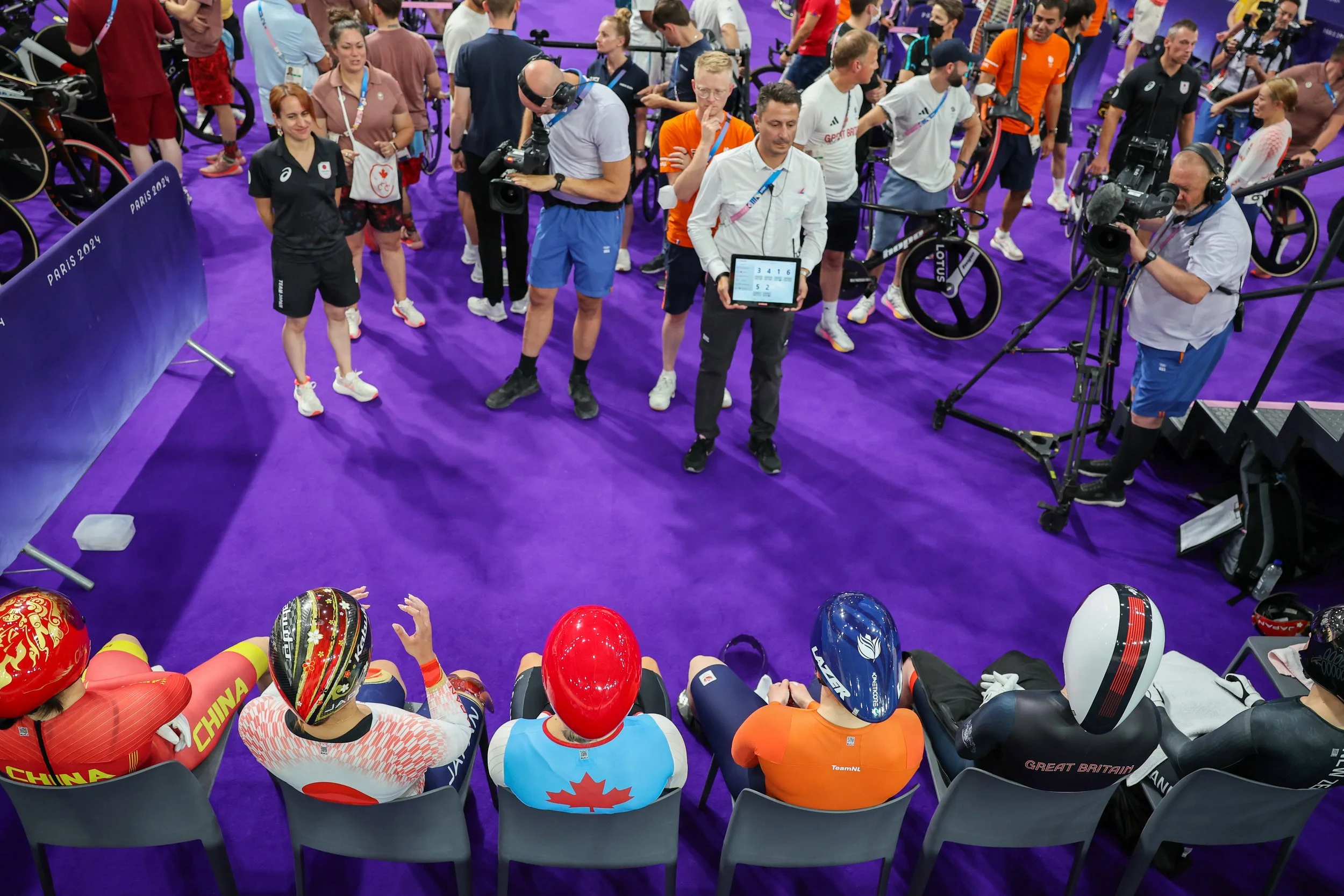
“What it takes to win” is not a fixed number waiting to be discovered.
It is the probability of outperforming everyone else on the day.
So instead of building systems to hit a number, build systems that (choose one or all of the below):
understand the current level
track meaningful improvement
improve relative position
focus on what matters
prepare athletes for uncertainty
Use measures to signal improvement, not define outcomes.
In elite sport, data doesn’t give you control — it gives you direction.
And the goal isn’t to control the future.
It’s to be ready for it.
— Mehdi
