

Simplicity: Not creative. But when the pressure is on? Effective.
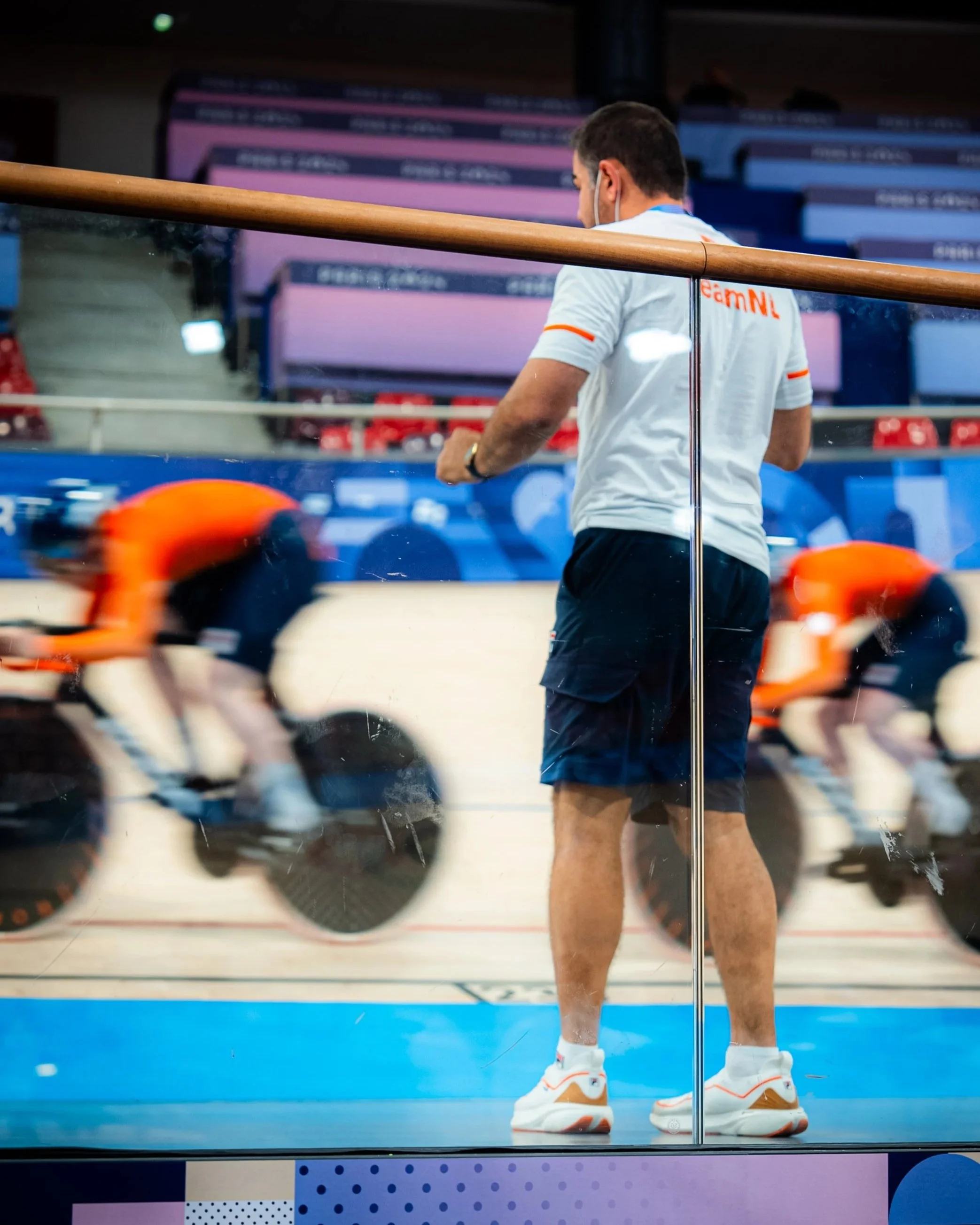
In elite sport, the deadline is fixed.
When it arrives, there is no room for experiments.
You perform with what you’ve already built.
In preparation for the Olympic Games — where we ultimately dominated — our approach was initially questioned and raised eyebrows when we did not change our usual run-in from the World Championships. We returned to the same training camp, the same environment, and the same session structures that had been refined and proven over the previous three years.
There were no “special” camps, no extra bells and whistles, and no surprises. The athletes knew exactly what to expect. The work was familiar, trusted, and effective.
What this gave me, personally, was bandwidth.
Because the environment was stable and predictable, I wasn’t firefighting logistics or second-guessing decisions. I knew what was going to happen, how the athletes would respond, and where my attention was best spent. That reduced stress, removed unnecessary hassle, and allowed me to focus on doing my job properly.
It also built confidence — not just in the plan, but in myself. There was a sense of control, not because everything was perfect, but because the variables were known. When pressure arrived, I felt calm rather than reactive.
It wasn’t always this way.
Earlier in my career, I chased novelty. New locations. New schedules. Last-minute adjustments. Sometimes because of doubt. Sometimes because of frustration. Sometimes because I’d seen something online or wanted to make things “better” right at the end.
More often than not, it had the opposite effect.
New environments came with teething issues. Unfamiliar routines created friction. Small problems demanded attention at exactly the wrong time. In trying to optimise everything, I was actually narrowing my own bandwidth and increasing stress for everyone involved.
The lesson, learned slowly and sometimes uncomfortably, was that preparation isn’t about perfection. It’s about trust.
When pressure is highest, athletes don’t need more information or more control. They need familiarity, clarity, and the freedom to perform.
We focused on simple, effective work — refined, not reinvented. Others searched for acts of brilliance.
When the pressure is highest, clarity matters more than creativity.
Stick to what you know.
